

How Nervous System Regulation Supports Endometriosis Pain Relief
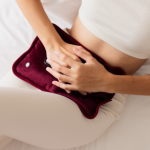
Many women use heat therapy to support endometriosis pain relief during flares.
Endometriosis affects about 1 in 10 women worldwide and is one of the most common causes of chronic pelvic pain, painful periods, and discomfort across the pelvic region.
The experience of endometriosis-related pain can be unpredictable and overwhelming. Traditional explanations often focus on the presence of lesions outside the uterus, but many researchers now recognize that pain doesn’t correlate directly with lesion size or location — and that the nervous system plays an important role in how pain is experienced.
This doesn’t mean the pain is in your head. It means pain involves your nervous system, the immune system, and local tissues all working together — sometimes in ways that make the system more sensitive and reactive.
What Research Says About Pain and Nervous System Involvement
Scientific reviews of endometriosis-associated pain indicate that chronic pelvic pain arises not only from local inflammation, but also from sensitization of the nervous system. This includes changes in how nerves outside the spinal cord (peripheral sensitization) and within the brain and spinal cord respond to signals.
In simpler language:
- Ongoing pain signals can make the nervous system more reactive
- The nervous system may begin to amplify signals that were once mild or normal
- This amplification is one of the mechanisms that researchers use the term sensitization to describe
In fact, some research tools — like the Central Sensitization Inventory (CSI) — have been used in clinical studies to show that people with higher sensitization scores tend to experience more persistent pain after endometriosis surgery.
Why Nervous System Regulation Matters
Pain is not caused by lesions alone. Chronic pain involves complex networks of nervous, immune, and endocrine signaling — meaning your body’s alarm system can stay turned up even when no new injury is happening.
This heightened sensitivity can lead to:
- Gentle touch feeling uncomfortable
- Breathing becoming quick or shallow
- Tension and guarding in muscles
- Pain that persists even after medical treatments
Regulation-based practices don’t “fix” lesions, but they can help your nervous system interpret signals differently — sending messages of safety instead of threat. This is especially useful on flare days, when discomfort feels amplified, and the body is reacting protectively.
What Regulation-Based Practices Do
These practices help support the nervous system, encouraging it to relax protective tension and integrate sensation without threat.
Breath Practices
Slow, rhythmic breathing sends calming messages to the nervous system. A low, gentle, full breath can reduce sympathetic activation and help the body stay less reactive to pain sensations.
Gentle Movement
Movements done with choice and ease — not force — help the body feel safe in motion. Small, supported actions reduce nervous system threat perception without pushing or stretching into discomfort.
Guided Rest & Imagery
Guided rest practices (like Yoga Nidra) use intention, body awareness, and imagery to signal safety. For example, imagining yourself lying on a couch with warm sunlight settling over your low belly and pelvis offers a sensation of comfort and calm — inviting the nervous system to down-regulate in a moment of rest.
Rest isn’t passive. It’s information.
It tells your nervous system: I’m safe right now.
Flare Days Require a Different Approach
On flare days, the goal isn’t pushing through. The goal is safety and support.
Instead of pushing deeper into sensation, try practices that:
- Invite comfort
- Encourage ease
- Respect the body’s current capacity
- Allow rest to happen without pressure
This is how regulation-style practices can be most useful — especially when pain is high and energy is low.
Explore the Endometriosis Support Series
This month, I’ve created a series of regulation-inspired practices designed for pelvic pain and nervous system support:
- Education Video: Understanding nervous system involvement in chronic pelvic pain
- Breath + Mudra Practice: A gentle nervous system down-regulation tool
- Gentle Movement Sequence: Small, supported movement for safety
- Yoga Nidra: A guided rest practice for flare days
The subsequent videos will be released weekly and added to my pelvic pain playlist.
You Don’t Have to Go It Alone
Pain is complex. And sometimes a nervous system that has been working hard to protect you can unintentionally contribute to the cycle of tension and sensitivity.
The encouraging part is that this protective system can learn new patterns of safety over time through practice and repetition.
If you’d like ongoing guidance, support, and community, my online Pelvic Peace Circle offers regular practices designed around nervous system regulation and persistent pelvic discomfort — including endometriosis, overactive pelvic floor tension, and other chronic pain patterns.
You are seen. You are valid.
And support is available — in movement, breath, rest, and connection.